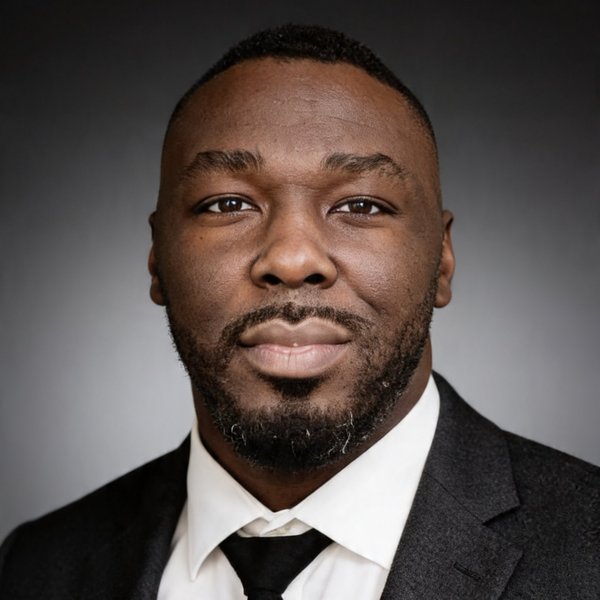
Cy Igono
— Operations
Former All-American football player. Lover of skateboarding and hotel lounges.
When you sign on with RealityShow.com, you don't get a freelancer. You get a full production agency — the people who build your show, run your social, and put your face in front of the audience that's about to make you a household name.
RealityShow.com exists to put half a billion impressions worth of life-changing content into the world every single year. Content that makes people braver, smarter, freer.
The way we do that is by finding people with real stories — operators, founders, athletes, single moms, ex-athletes, hairdressers, gym owners, ex-cons, anyone with something true to say — and turning their lives into the next generation of reality television.
Not the cable kind. The kind that fits in your pocket. Micro reality TV — short, episodic, real — built for the way people actually watch in 2026.
The entertainment industry is in the middle of the biggest reset since cable killed network. The 30-minute sitcom is gone. The hour-long drama is shrinking. Cable is collapsing. What's filling the gap is short, real, and made by people who used to be the audience.
Three things are changing the game right now — and if you understand them, you can build something durable instead of chasing trends.
We pioneered a format we call Micro Reality TV — episodic, character-driven, real-life stories told in 5 to 18 minute episodes. Long enough to build a real arc. Short enough that someone watches the whole thing on a lunch break and shares it before they finish their coffee.
Think Mob Wives meets Diary of a CEO meets a YouTube channel that gets you addicted by Episode 3.
Why this format wins: The platforms reward it. The audience devours it. The brands buy into it. And when it's built around a real person — not an actor, not a script, not a fake reality — the audience that shows up doesn't leave. They become superfans. Then customers. Then evangelists.
That's the whole game. Not viral. Loyal.
Every social media platform — TikTok, YouTube, Instagram, Facebook — is now optimizing for one thing above all others: watch time. Not likes. Not shares. Not even followers. Watch time.
And nothing keeps a viewer watching like a real person they're starting to care about, telling a real story they want to know the ending of. That's reality TV. It always has been. The platforms didn't invent this — they just made it possible to do without a $50M network deal.
When we build your show, we build it to own the algorithm — episodic content that auto-plays into the next episode, character arcs that demand the follow, and cliffhangers that train the platform to push you to more people, every single week. That's how a single show becomes a brand. That's how a brand becomes a household name.
Eight specialists. One mission. You don't manage them — they manage your show.
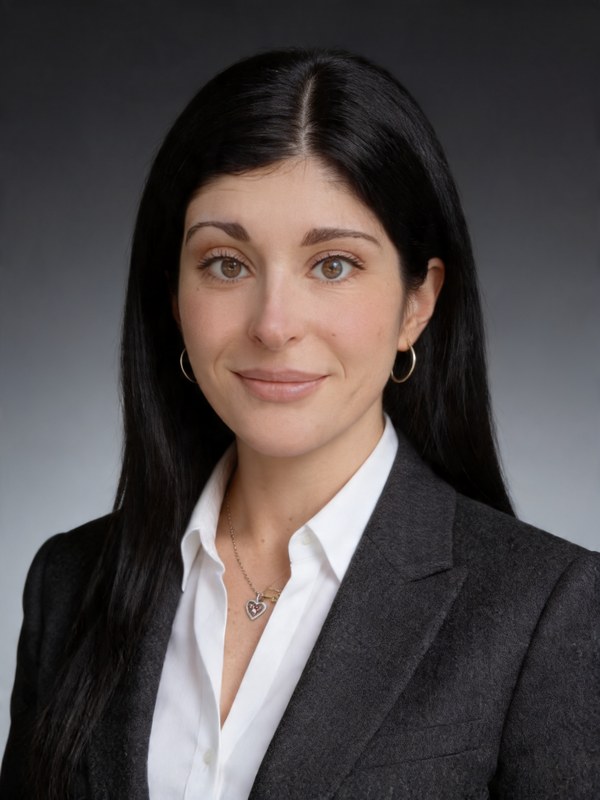
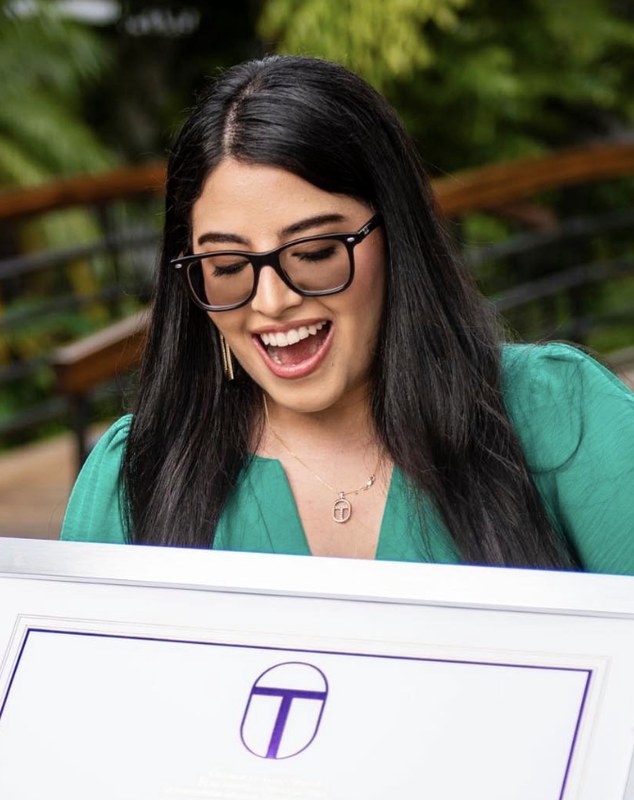
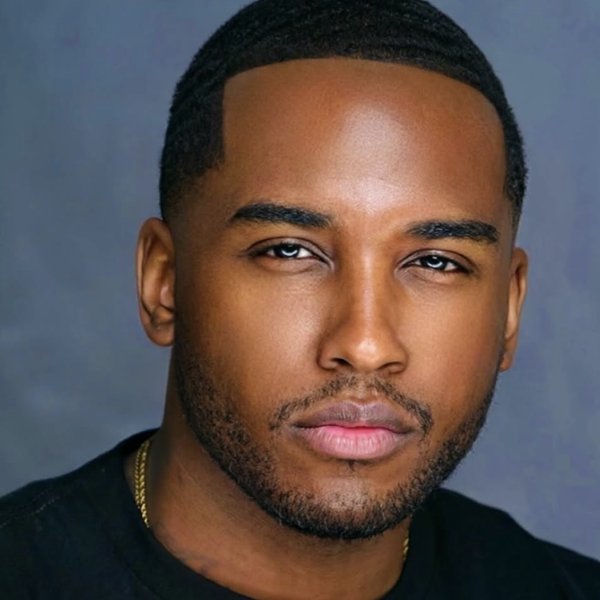

Production isn't just what's in front of the camera. Every client gets a private workspace — The Studio — where your dedicated pod ships work, you review it, and your show comes together episode by episode. No email threads, no lost files, no "wait, what version is this?" Just receipts.
This is what you get when the cameras stop rolling.
A team is only as good as what it's actually shipped. Three quick examples — celebrity sizzle reels, branded content on network television, and reality TV cast development that became a household name.
The kind of sizzle reel that gets a celebrity in front of network executives. Tight cuts, real stakes, story arc you can feel in 90 seconds.
Product integration done so cleanly the audience didn't tune out. This aired on network television. The brand paid. The viewers stayed.
Karen became a household name on Mob Wives — one of the most loyal reality fanbases in cable history. The long-game version of what we build.